Ventures & Impact
What He Builds.
How He Applies It.
Sharam Gulzad's business interests span multiple industries and jurisdictions, unified by a common principle: identify opportunities where long-term value can be built through operational commitment, rigorous governance, and deep local knowledge. From the family enterprise that has endured for over a century to independent ventures in mining, real estate, and investment management, each undertaking reflects a belief that permanent value is built, not traded.
Gulzad Group: The Family Enterprise
Gulzad Group is a multi-generational family conglomerate with origins spanning more than a century. Headquartered in Dubai with historical and operational ties across Central Asia, the Gulf, Europe, and beyond, the group's divisions include agriculture, construction, logistics, trading, and investment.
Sharam serves as CEO, Board Director, and shareholder, leading the group's current chapter of international expansion and modernisation. Under his leadership, the group has extended its geographic reach and deepened its operational capabilities while maintaining the values of discretion, patience, and long-term stewardship that have defined the family's approach for generations.
The group also established the Gulzad Foundation, ensuring that one hundred per cent of the foundation's administrative costs are covered by the group, and that each division of the business contributes its expertise to the foundation's development work.
Mining & Natural Resources
Gulzad holds active interests in mining operations and natural resource ventures. This vertical reflects a long-term thesis on the enduring value of physical assets and strategic resource positioning. The approach is grounded in responsibility: responsible extraction practices, local employment and community development, environmental stewardship, and long-term resource management.
Real Estate Development
Gulzad's real estate interests focus on large-scale development across multiple markets, with active projects and interests in the Gulf, Germany, and the Maldives. The portfolio reflects a consistent philosophy: identify locations where long-term structural value exists, commit the capital and partnerships required to develop at the highest standard, and build for permanence.
Investment Management
Investment activity spans multiple jurisdictions and established financial centres, providing institutional-grade investment management with a focus on capital preservation, intergenerational transfer, and strategic growth. Structuring is tailored to the requirements of each market and investor base, drawing on the group's deep experience managing assets across diverse regulatory environments.
International Trade
Cross-border trade operations form a core pillar that connects the broader geographic footprint. This includes partnership structuring across jurisdictions, regulatory navigation for complex multi-country transactions, and trade corridor development linking the Gulf, Central Asia, Southeast Asia, and Europe.
Partnering to
Prevent Hunger
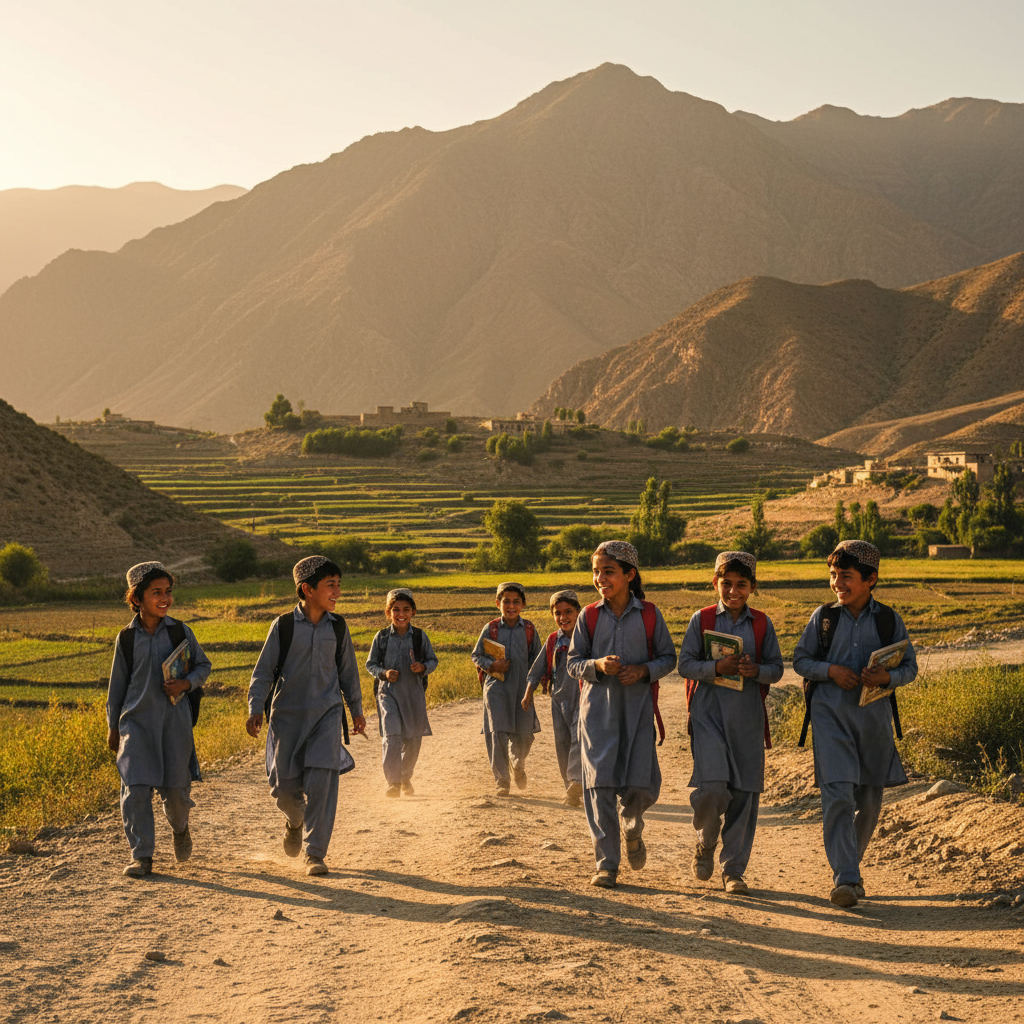
Some of the most important work of my career has taken place not in boardrooms, but in the supply chains that carry food to families who would otherwise go without, in the programmes that protect children and communities in crisis, and in the policy rooms where governments shape the future of their nations.
Through operational partnerships with multiple agencies of the United Nations, the World Bank, the World Trade Organization, and other major international institutions, I have contributed to programmes designed to prevent hunger, protect vulnerable populations, distribute essential commodities at scale, and build systems that reach the people who need them most. Alongside these partnerships, I have served in an advisory capacity to government ministries and large-scale national projects, bringing private-sector discipline and operational experience to public development challenges.
United Nations World Food Programme
Gulzad Group has served as the official food distribution partner of the World Food Programme in Afghanistan, operating across the country's most challenging and underserved regions. This is an operational partnership in the truest sense: procurement, logistics, warehousing, and last-mile delivery of essential commodities to families facing acute food insecurity.
The partnership has included the WFP Commodity Voucher Programme, a system designed to distribute food through local markets rather than centralised aid drops, preserving the dignity of recipients while supporting local economies. The scale of operations has reached hundreds of thousands of families across multiple provinces.
Food and Agriculture Organization (FAO)
Engagement with the FAO has focused on food security, sustainable agriculture, and rural development. These partnerships bring together the group's operational knowledge of agricultural supply chains and commodity management with the FAO's mandate to eliminate hunger, improve nutrition, and promote sustainable food production.
UNICEF
Partnerships with UNICEF have supported programmes aimed at protecting children and young people in crisis-affected environments. The group's contribution combines logistical capability with on-the-ground operational reach, helping to deliver essential services and supplies to communities where children are most vulnerable.
World Trade Organization (WTO)
Engagement with the WTO reflects the group's deep expertise in international trade, cross-border commerce, and the regulatory frameworks that govern global supply chains. These relationships support the broader mission of enabling trade corridors that benefit developing economies and connect underserved markets to the global system.
The World Bank
Engagements with the World Bank have focused on development infrastructure, capacity building, and economic development programmes, bringing commercial operational capability to projects designed to strengthen economies and communities in some of the world's most underinvested regions.
Government Advisory & National Projects
Beyond institutional partnerships, Gulzad has served in an advisory capacity to government ministries and large-scale national development projects. This work involves providing strategic counsel on infrastructure development, trade policy, economic planning, and public-private partnership structures, offering governments the perspective of a principal who has built and managed complex cross-border operations at scale.
"I have always believed that those of us who have built successful businesses carry a responsibility to apply our capabilities where they are needed most. The skills that make a mining operation efficient or a trade corridor viable are the same skills that can keep a food supply chain running in a crisis zone, or help a government build the infrastructure that transforms a nation. Impact is not separate from enterprise. It is enterprise directed at the things that matter."